















Reverse Osmosis Equipment - Pros and Cons

Reverse osmosis equipment is a type of filtration system that is common for purifying water. If you’re looking for cleaner, healthier water you’ve probably looked into reverse osmosis filtration for your home. However there are some important facts about reverse osmosis that you must learn because it isn’t the best fit for home drinking water.
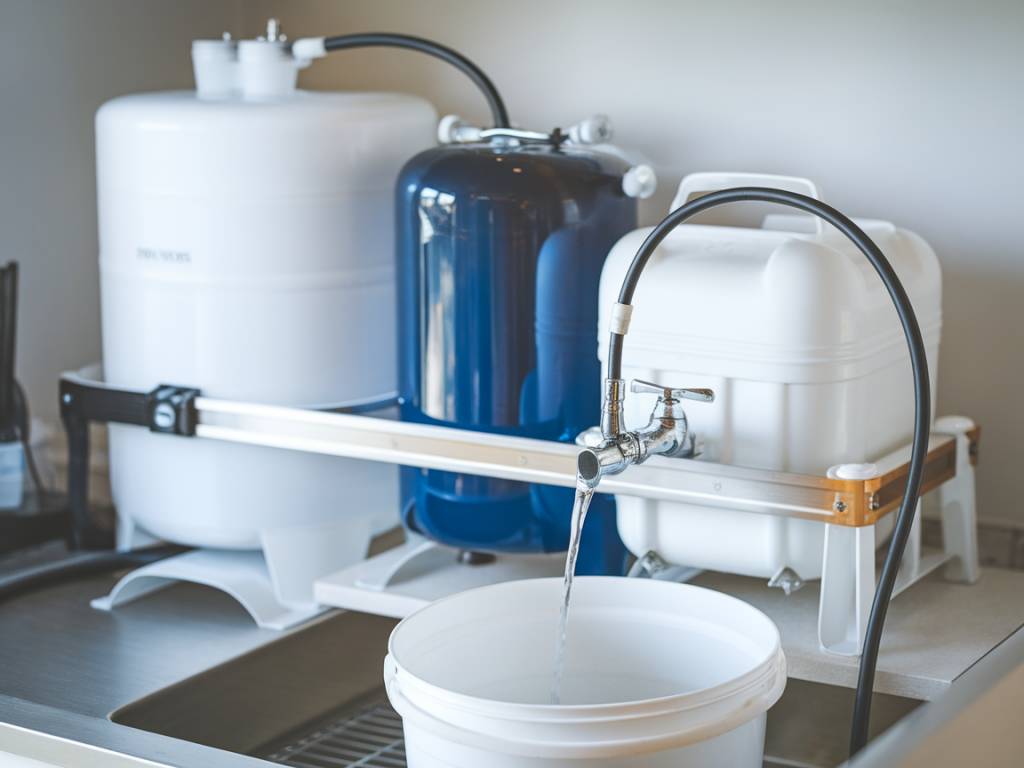
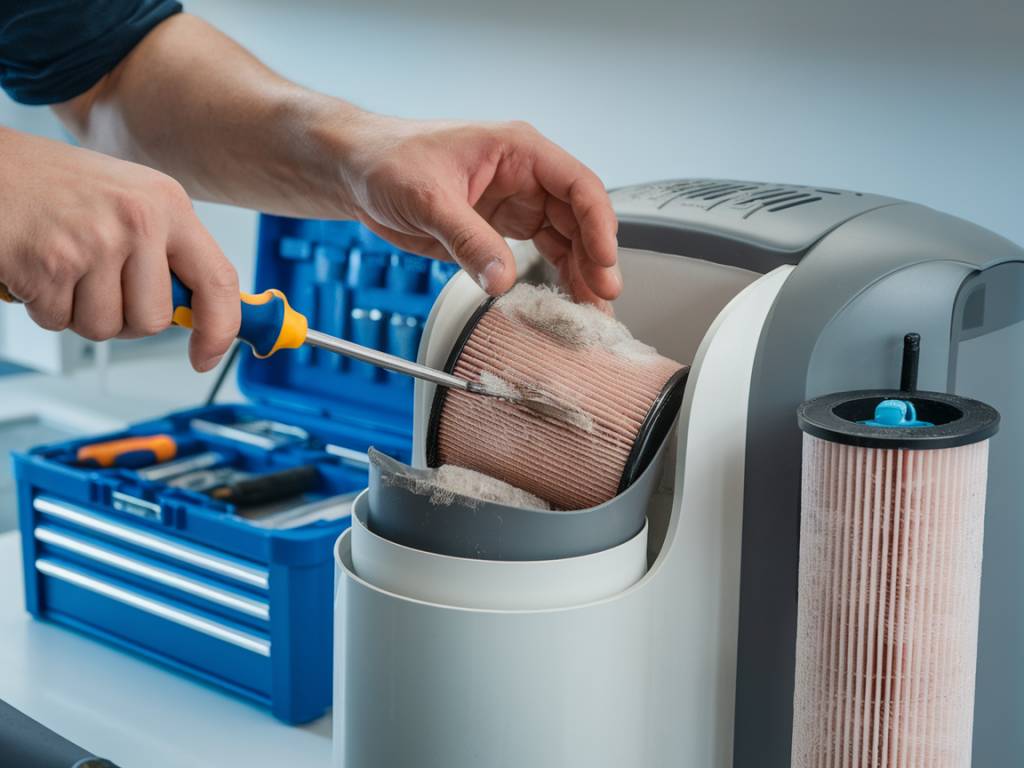
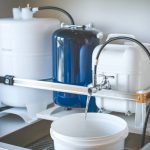
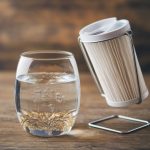
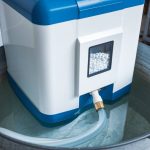
Reverse osmosis works by forcing water through a fine membrane filter, and then forcing the water back through again, which filters out contaminants. Reverse osmosis is one of the best filters for removing particulates from water, which makes it good for industrial and commercial use. Reverse osmosis uses hyper filtration to remove bacteria and other contaminants. Reverse osmosis uses the reversal of water flow through a filter membrane to the opposite side of the membrane. This osmotic pressure through the filter resulting in purified water on the other end.
There is nothing wrong with a reverse osmosis system for filtering water for some uses. And while reverse osmosis is undeniably extremely effective at water filtration, in fact– it works a little too well—at least when it comes to water for drinking and cooking. Let me explain why you need to be concerned.
Pure, natural water contains calcium‚ potassium, and magnesium; some important nutrients for healthy bodies. But, because reverse osmosis filters so much out of the water, it also strips out the minerals in the water along with all the bad stuff. This means you end up with “dead”, lifeless water that doesn’t even taste all that great. Reverse osmosis water truly isn’t the best drinking water. If you’re looking for a home faucet filter, there are better options to choose from.
And, reverse osmosis requires a lot of pressure to work—water is forced with great pressure through the filter to get good results, and it is a very slow process, as well. It can take a whole day to filter 15 gallons of water in some systems.
Most people don’t realize that reverse osmosis systems actually waste several gallons of water for each gallon of water that is purified. In other words, a reverse osmosis system goes through 2-4 gallons of untreated water in order to produce one gallon of purified water. Water is in short supply in many areas of the world, not to mention expensive, so if you think about it, this is very wasteful!
The purified water from a reverse osmosis system is usually of a more acidic pH than ground water, which also is not good for your health, and certainly not advised to be consumed over the long term. A neutral pH is 7. Lower levels are more acidic, and higher levels are more alkaline. Water that has a lower pH is acidic, soft, and corrosive. Many municipalities will require treatments of waste water from reverse osmosis systems in order to make the water less acidic. This is because it is known that acid water corrodes water pipes. Acid water pipe corrosion can cause lead, copper, iron, and other metals to leach into the water.
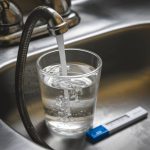
The U.S. Environmental Protection Agency (EPA) lists pH as one of the secondary “contaminants” for public water systems, but only regulates pH levels between 6.5 and 8.5. So, even if your water from reverse osmosis is more acidic, they won’t do much about it. You need to look out for your own health. If you’re concerned, you can purchase testing kits to measure water pH, and there are water pH additives to treat your water and make it more alkaline. But wouldn’t you rather just have more balanced water to start with?
In summary, reverse osmosis is a great system for filtering water, but for home drinking water use, it is more expensive, slower, and more wasteful than other filtration systems, and you end up with water quality that is lacking minerals and not really fit for drinking.
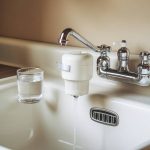
Now that you’re informed, let’s discuss what type of home water filtration system is the right one for you. Reverse osmosis systems cost hundreds of dollars, but you’ll be relieved to know that you can get a better home drinking water filtration system for a lot less money.
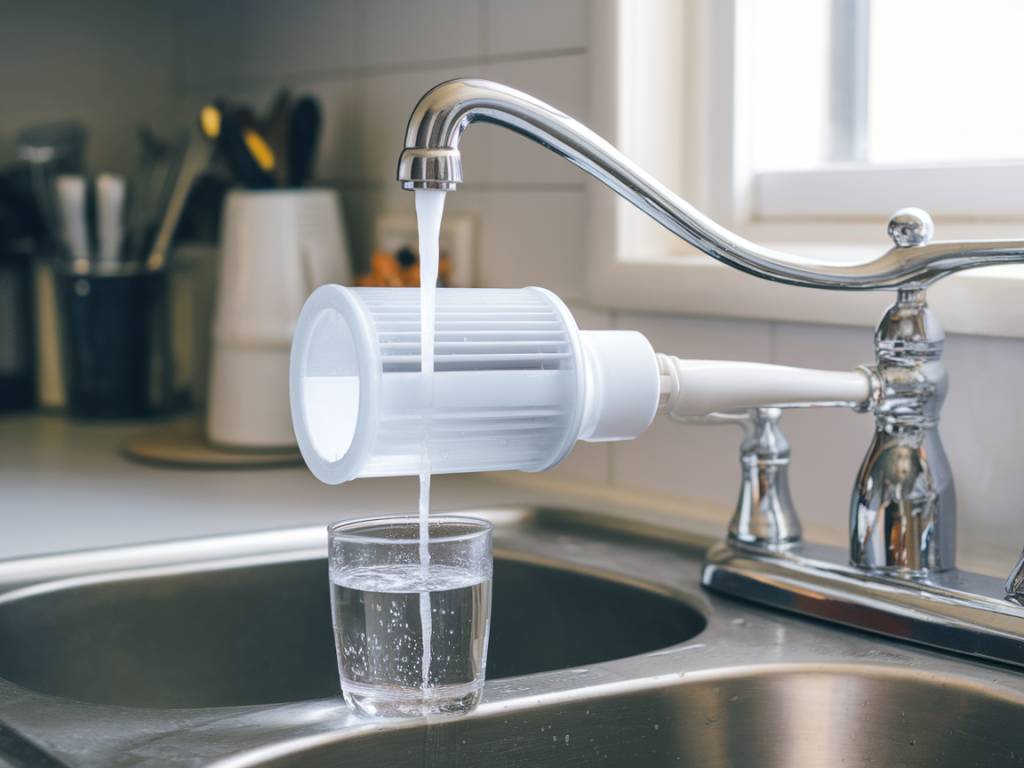
You’ll want to find a home water filter system that uses both carbon filtration, as well as micron filtration to remove particulates. Searching for reviews on-line, it’s clear that one of the highest rated drinking water filters is made by Aquasana. Their water filters have been voted “Best Buy” by Consumers Digest magazine for several years running. Their water filters take advantage of carbon filtration, ion exchange and sub-micron filtration.
Get a good home water filter so you can rest assured that your family is drinking pure, health water. Use reverse osmosis equipment filtering systems where it makes sense, but it’s a better choice to select a different type of filter system for your home drinking and cooking water.
Visit Aquasana’s website now (Click here) and find out Consumer’s Digest selected it as #1, and why tens of thousands of other educated consumers consider Aquasana to be the best water filter at any price.
December 27, 2008 - 8:49 PM