















The Scary Truth About Drugs in our Water Supply
AP probe found traces of meds in water supplies of 41 million Americans
Here’s a scary thought: there could be trace amounts of endocrine disrupting chemicals (EDC) and pharmaceutically active compounds and personal care products (PPCP) making their way into our drinking water. These chemicals have already been discovered in surface and ground water and have been linked to ecological problems, even at trace levels of concentration. Water treatment facilities attempt to remove impurities from our water, but these systems were never originally designed to deal with these modern threats. Think about it, this wasn’t even a concern a hundred years ago when the world wasn’t overrun with chemicals and pharmaceutical products.
What’s even scarier is that the regulations for measuring such contaminants and removing them from our water haven’t been completely defined and updated. In other words, we don’t even know yet what compounds are harmful, and what measure of minute concentrations will actually cause toxicity, so there are no regulations yet on how much of it is acceptable in our water supply.
Regulatory issues won’t be tackled for years to come, but the EPA isn’t waiting for more study results before taking action. The EPA is educating the public and funding pharmaceutical programs by concerned groups and state and local government agencies.
There are numerous studies and projects underway now to identify the implications of such water contaminants to human health. The general consensus is that any contaminants are in such low trace amounts that they are “unlikely” to cause harm in the human body. Unlikely? That isn’t good enough for me to feel secure drinking and cooking with this water, and it probably isn’t good enough for you and your family either.
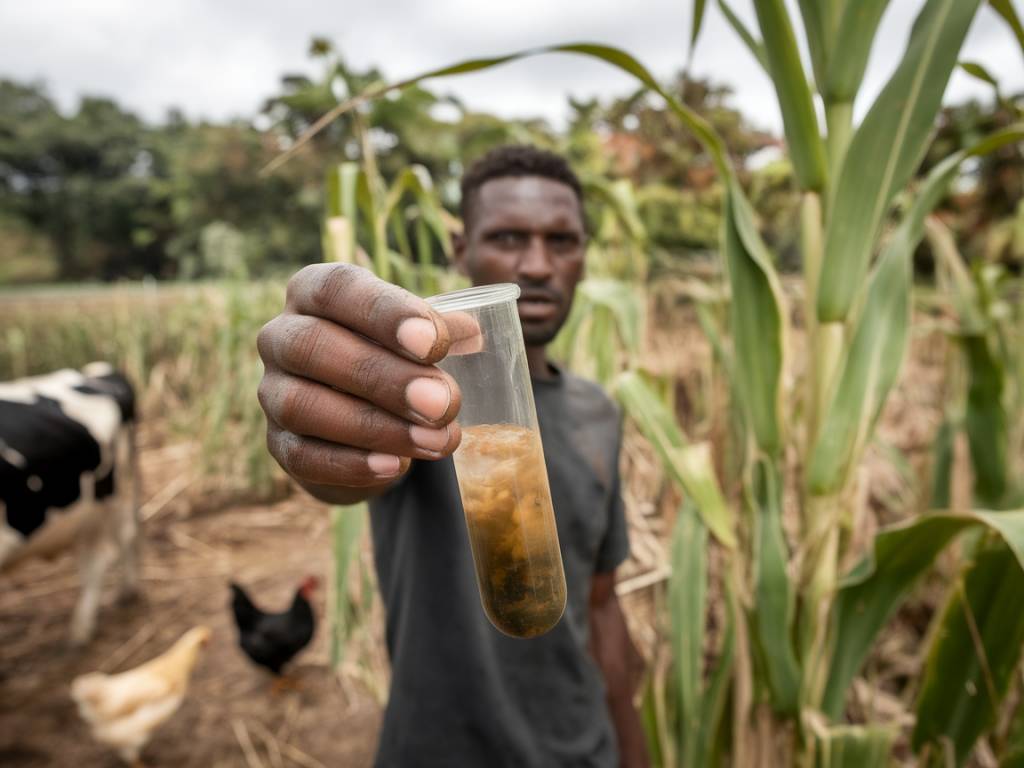
Many studies have shown that our conventional water treatment plants do not completely remove many EDCs and PPCPs. The following drugs in the water supply have been detected: antibiotics and antidepressants, hormone pills, tranquilizers, pain killers, cancer medication, and many more. These substances can originally come from waste from industrial and farm uses, as well as from humans and farm animals. Consider that “about 40 percent of US produced antibiotics are fed to livestock as growth enhancers.” (Source: University of Arizona). More frightening quotes:
A vast array of pharmaceuticals — including antibiotics, anti-convulsants, mood stabilizers and sex hormones — have been found in the drinking water supplies of at least 41 million Americans, an Associated Press investigation shows.
If you’d like to read more on this issue, please visit these websites and resources:
Pharmaceuticals Lurking in US Drinking Water
Pharmaceuticals in our Water Supply, University of Arizona
Pharmaceuticals in Our Water Supply Are Causing Bizarre Mutations to Wildlife
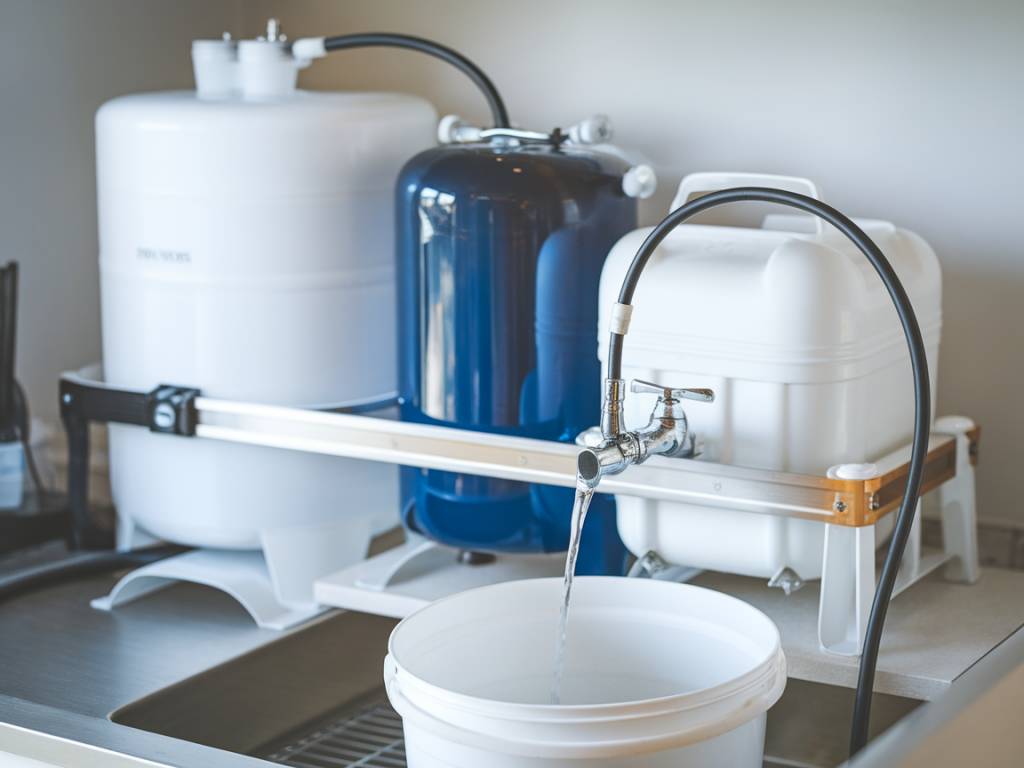
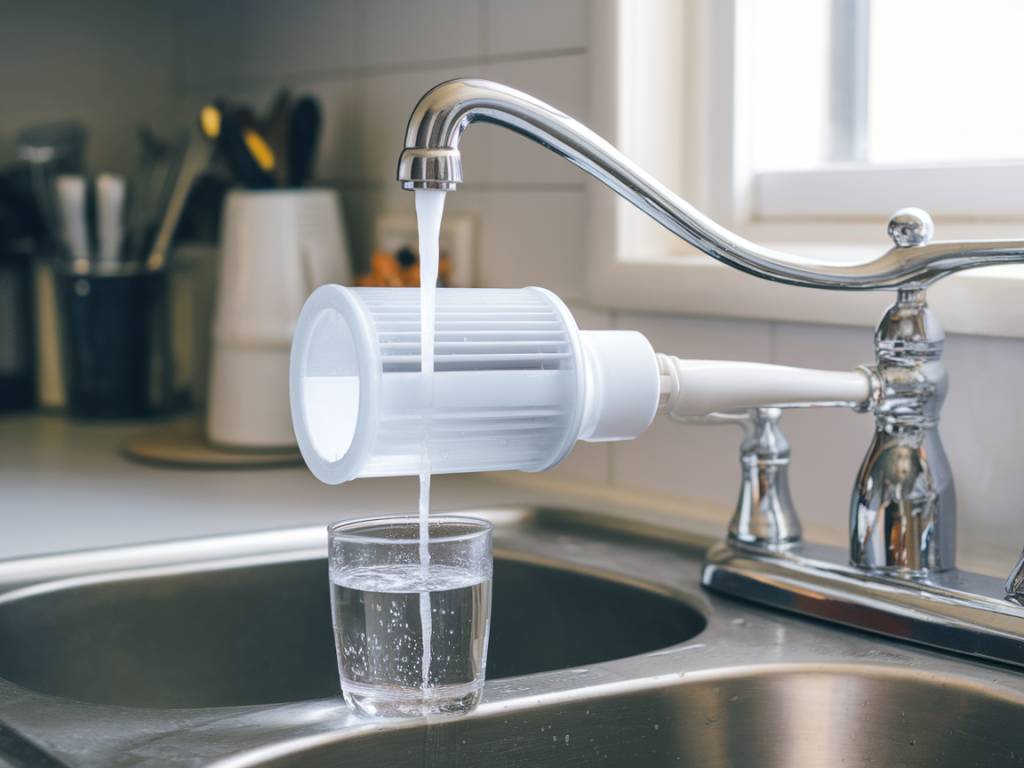
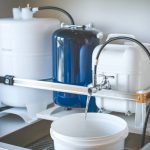
Advanced water treatment systems such as filtration with activated carbon or reverse osmosis, are viable systems for the removal of many trace contaminants. However, more research needs to be done to make sure no harmful levels of these contaminants remain in our water.
Reverse osmosis filtration is extremely effective at removing particulates from water. However, when it comes to home water use, it isn’t ideal because it also removes the helpful minerals that are present in natural water. These minerals are good for your health and also make water taste better. You’re better off with a combination filtration system that purifies your water without removing the good qualities of the water.
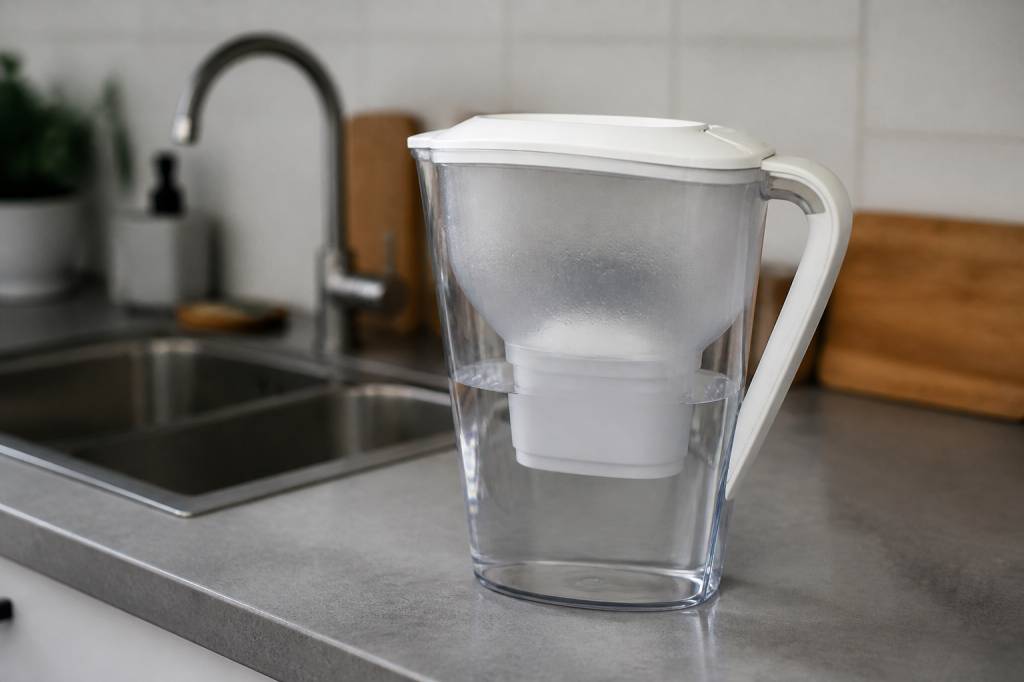
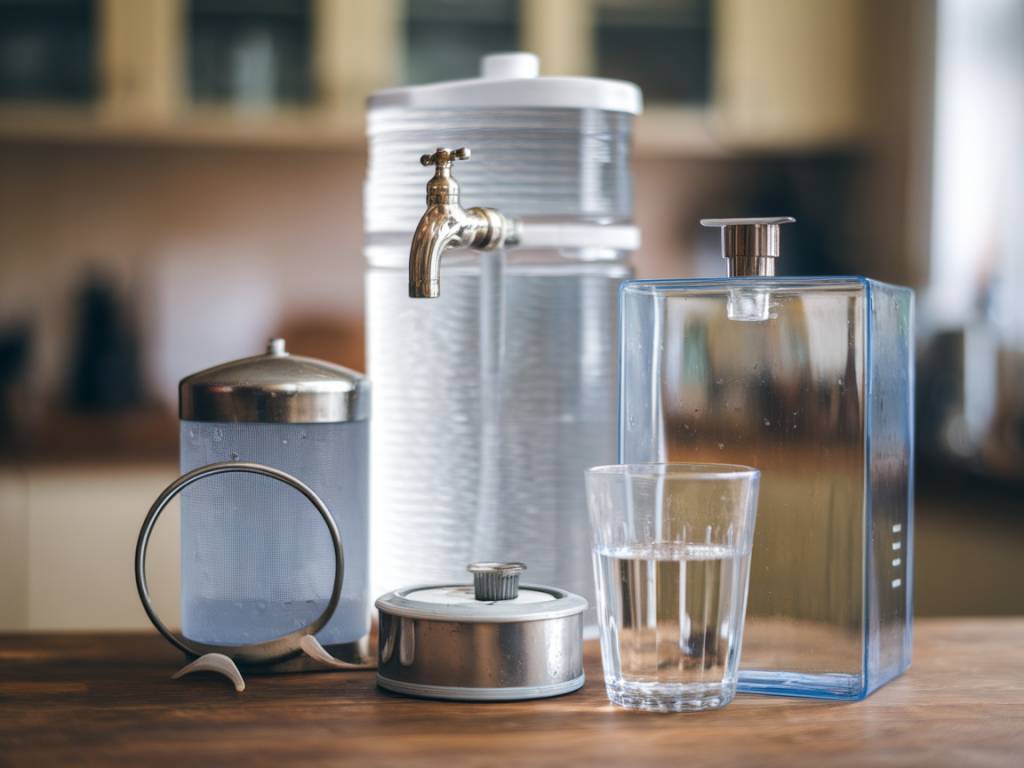
Whether you’re worried about drugs in your water, or any other water quality concern, you need to make sure you are using a good water filter for your family. Educate yourself about the different types of water filter systems that are most effective and find the right solution so you can be confident that your family is drinking clean, pure, healthy water.