


















Why Reverse Osmosis Faucets are Not Good for Drinking Water
Don’t risk your health and waste money! If you’re looking for cleaner, healthier water for your family, you may have considered a reverse osmosis faucet as one option for pure drinking water. Before you go that route, you need to know the truth about reverse osmosis filtration, and why this is not the best choice for drinking water.
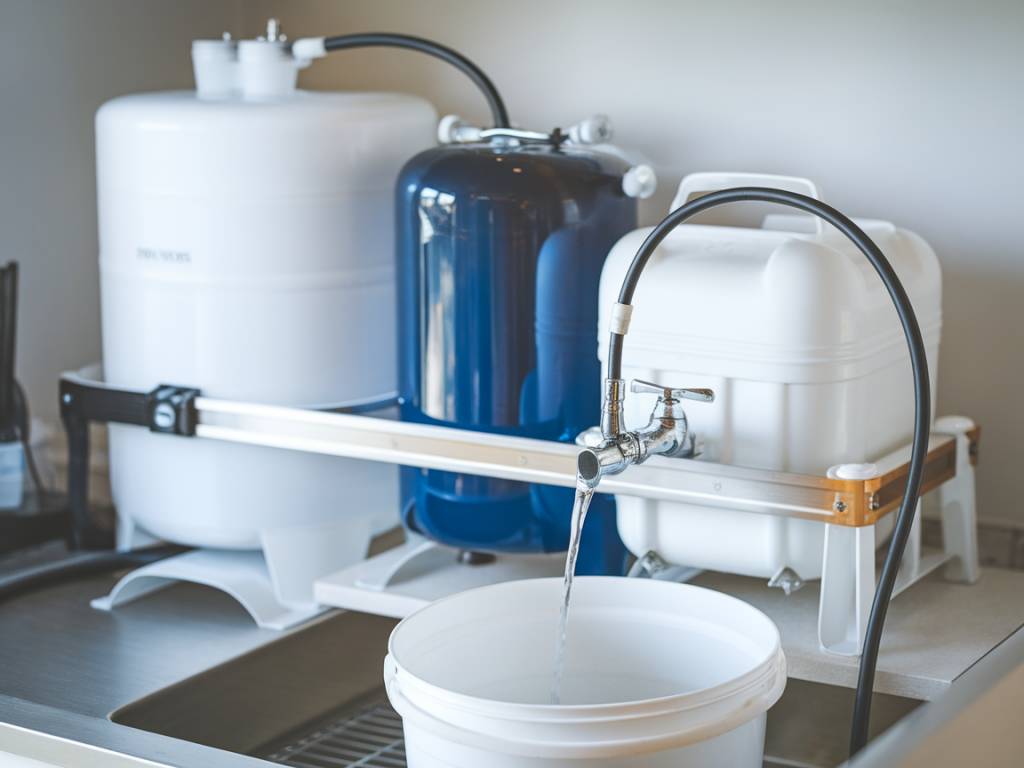
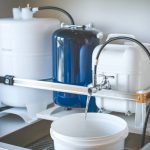
Reverse osmosis filtration systems cost hundreds of dollars, so you would think they would provide the best water quality, correct? Actually, the truth is, no—they are not the best option for drinking water. Reverse osmosis works by forcing water through a fine membrane filter, and then forcing the water back through again, which filters out contaminants. Reverse osmosis is one of the best filters for removing particulates from water, which makes it good for industrial and commercial use.
It is a very effective filtration system, but there are some drawbacks. The most important drawback is that reverse osmosis faucets actually filter out helpful minerals and elements. Natural water contains calcium‚ potassium, and magnesium: important nutrients that our bodies need. Because these valuable nutrients are stripped out, water from a reverse osmosis faucet doesn’t taste good! When drinking water is essentially over-filtered using a reverse osmosis filter, you end up with water that isn’t ideal for drinking.
Secondly, you may not realize that reverse osmosis water filters actually waste 2-4 gallons of water for each gallon of water purified. This means it takes several gallons of untreated water in order to produce one gallon of purified water with reverse osmosis. This is very wasteful!
One other potential problem with reverse osmosis water is that the pH level of the water can be acidic. Acidic water is bad for your health and there are many studies linking to acidic pH to a host of medical conditions from general fatigue, aches and pains, to arthritis and even cancer. Some municipalities actually require that reverse osmosis water is treated to adjust the pH levels, because otherwise the water is corrosive to pipes.
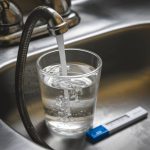
Does this sound like the kind of water you want to be ingesting into your body? Probably not. Not all reverse osmosis systems significantly adjust the pH of water, so you can test the pH of your water to see if this is an issue with your home water source. Still, better to be safe than sorry when it comes to something that can impact your health!
Now that you understand why reverse osmosis filtered water isn’t the best water for your home water faucet, you can find the right home water faucet filter. Believe it or not, a much less expensive filtration system is a better option for drinking water.
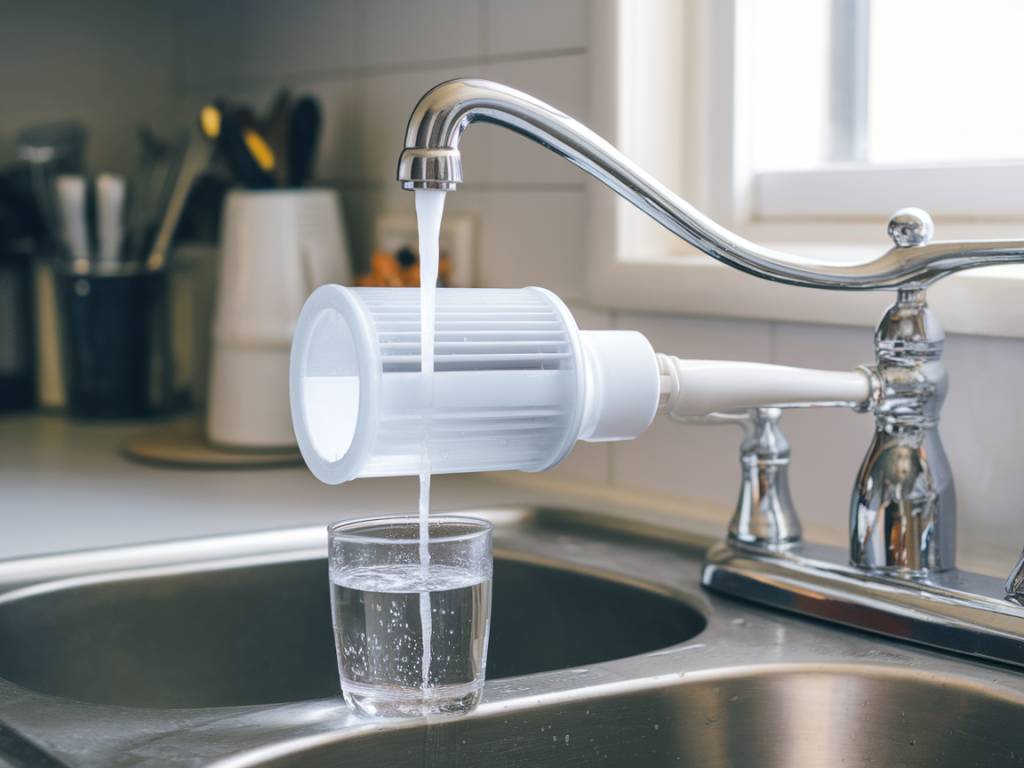
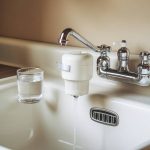
You’ll want to use a system that uses carbon filtration, as well as micron filtration to remove particulates. One of the highest rated drinking water filters is made by Aquasana. Their water filter uses a combination of carbon filtration, ion exchange and sub-micron filtration to produce truly healthy great tasting water right from your kitchen tap. This faucet water filter removes contaminants from your drinking water such as lead, chlorine, VOCs, cysts (parasites) and other harmful contaminants. More importantly, it leaves in the natural trace minerals that are healthy and taste great! It costs far less to install and operate than a reverse osmosis system, and the cost per gallon is lower. You’ll waste less water, save money, and best of all, you’ll feel good knowing you are providing your family with healthy drinking water!
Visit Aquasana’s website now (Click here) and find out why tens of thousands of other educated consumers, consider Aquasana to be the best water filter system at any price. Get healthy drinking water for your family today.
December 27, 2008 - 5:17 PM Comments: Closed